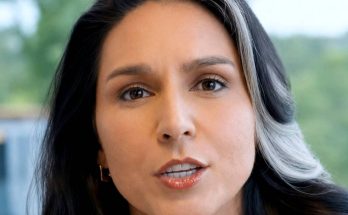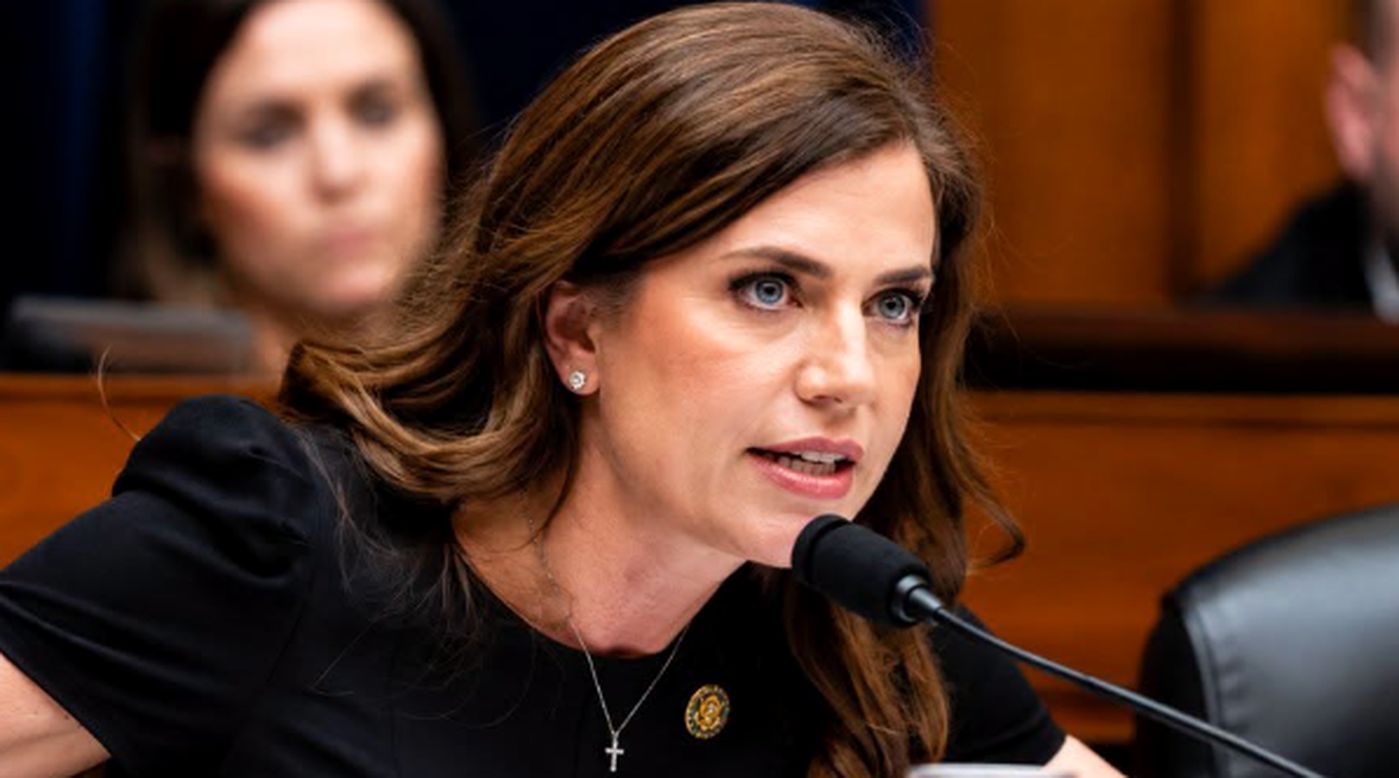
A public feud between Rep. Nancy Mace (R-S.C.) and Rep. Ilhan Omar (D-Minn.) has intensified, drawing national attention to questions of citizenship, loyalty, and eligibility for elected office. Mace has repeatedly called for Omar’s deportation and proposed a constitutional amendment that would require members of Congress, federal judges, and certain officials to be natural-born U.S. citizens.
In recent social media posts and statements, Mace referred to Omar as “Somalia-first” and suggested her deportation would be a fitting gift for America’s 250th birthday. The comments stem from ongoing criticisms of Omar’s background, policy positions, and past immigration-related controversies. Mace has also introduced legislation aimed at strengthening assimilation requirements for immigrants and has pushed for investigations into Omar’s personal and immigration history.
Omar, who was born in Somalia and became a naturalized U.S. citizen in 2000, has dismissed the efforts, responding with “Good luck to her” when asked about the proposed amendment. The Minnesota Democrat maintains her focus on representing her constituents and has criticized the attacks as politically motivated and rooted in xenophobia.
The proposed constitutional amendment, which has not advanced significantly in committee, would extend the natural-born citizen requirement currently applied to the presidency to a broader range of federal positions. Supporters argue it would ensure undivided loyalty to the United States, while opponents contend it undermines the nation’s immigrant heritage and could face significant legal and political hurdles for ratification.
The exchange highlights deeper partisan divisions over immigration, representation, and national identity. It has sparked reactions across the political spectrum, with some viewing Mace’s stance as a necessary defense of American sovereignty and others seeing it as inflammatory rhetoric that targets naturalized citizens.
As the controversy continues, it raises broader questions about qualifications for public office and the standards of loyalty expected from elected officials in a diverse democracy. No formal proceedings to revoke Omar’s citizenship have been initiated, and legal experts note that denaturalization is a rare and complex process typically reserved for cases involving fraud or serious crimes.