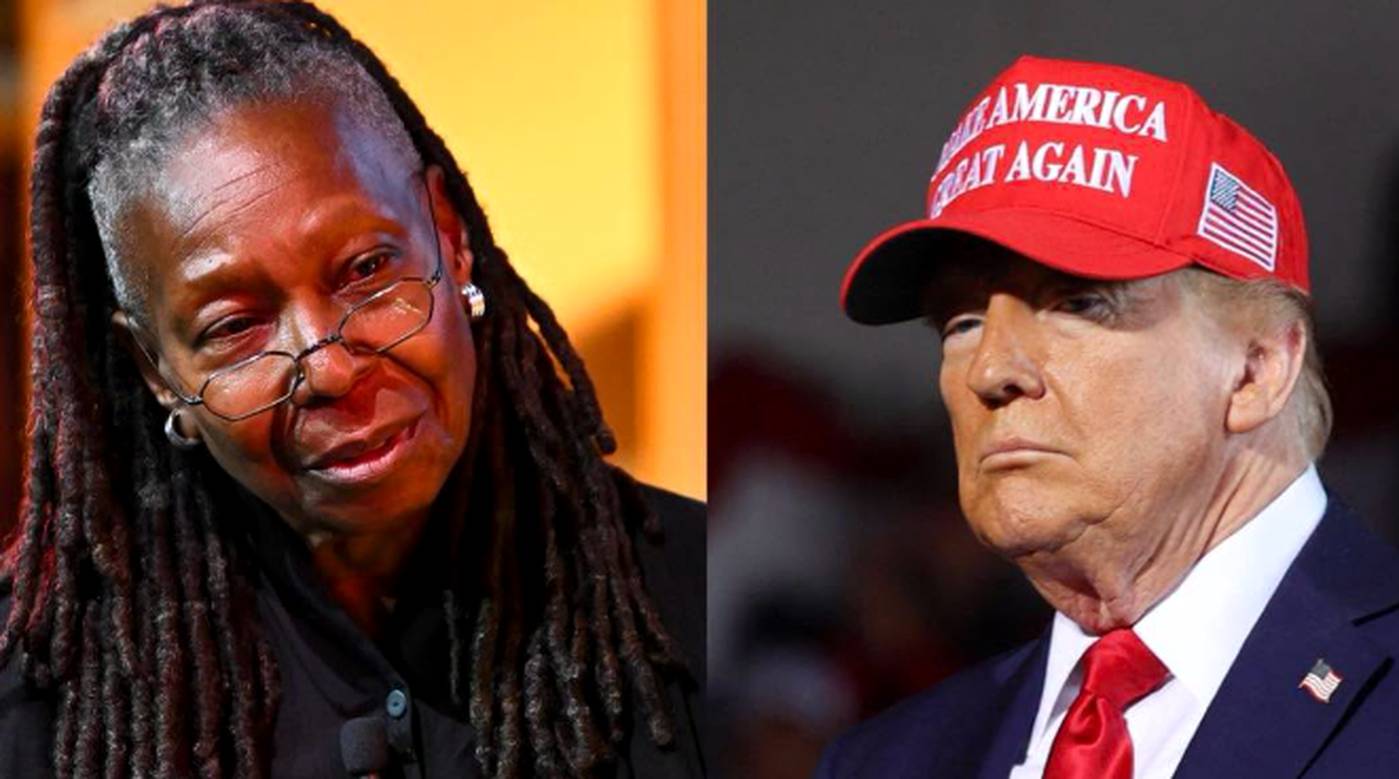
The Federal Communications Commission (FCC) has opened an investigation into ABC’s daytime talk show “The View” regarding potential violations of the agency’s equal opportunities rule. The probe, initiated earlier in 2026, examines whether the program provided adequate airtime to opposing political candidates following appearances by Democratic figures.
FCC Chairman Brendan Carr has highlighted concerns that certain broadcast programs may not qualify as “bona fide news interview” programs exempt from equal time requirements. The rule generally mandates that stations offer comparable opportunities to rival candidates when one appears on air. The inquiry was prompted in part by an episode featuring Democratic Senate candidate James Talarico of Texas.
ABC and Disney have pushed back strongly against the investigation, launching public awareness campaigns and filing responses accusing the FCC of politically motivated actions aimed at chilling free speech. The network maintains that “The View” has long operated under established exemptions and that the probe represents an attempt to influence content and guest selections.
The matter is part of broader tensions between the Trump administration’s FCC and major broadcast networks. Additional actions include demands for early renewal of ABC station licenses, which Disney has described as retaliatory. FCC officials maintain the reviews focus on compliance with public interest obligations and nondiscrimination policies.
Supporters of the investigation argue it promotes fairness in broadcasting and prevents one-sided political advocacy on public airwaves. Critics contend it threatens journalistic independence and sets a dangerous precedent for government oversight of media content.
The FCC has sought public comments on whether “The View” qualifies for the news exemption. As the process unfolds, legal experts anticipate potential court challenges regarding First Amendment implications and the scope of FCC authority over programming decisions.
This development reflects ongoing national debates about media bias, regulatory balance, and the role of government in overseeing broadcast communications.
FCC Launches Investigation Into ABC’s ‘The View’ Over Equal Time Rule Compliance