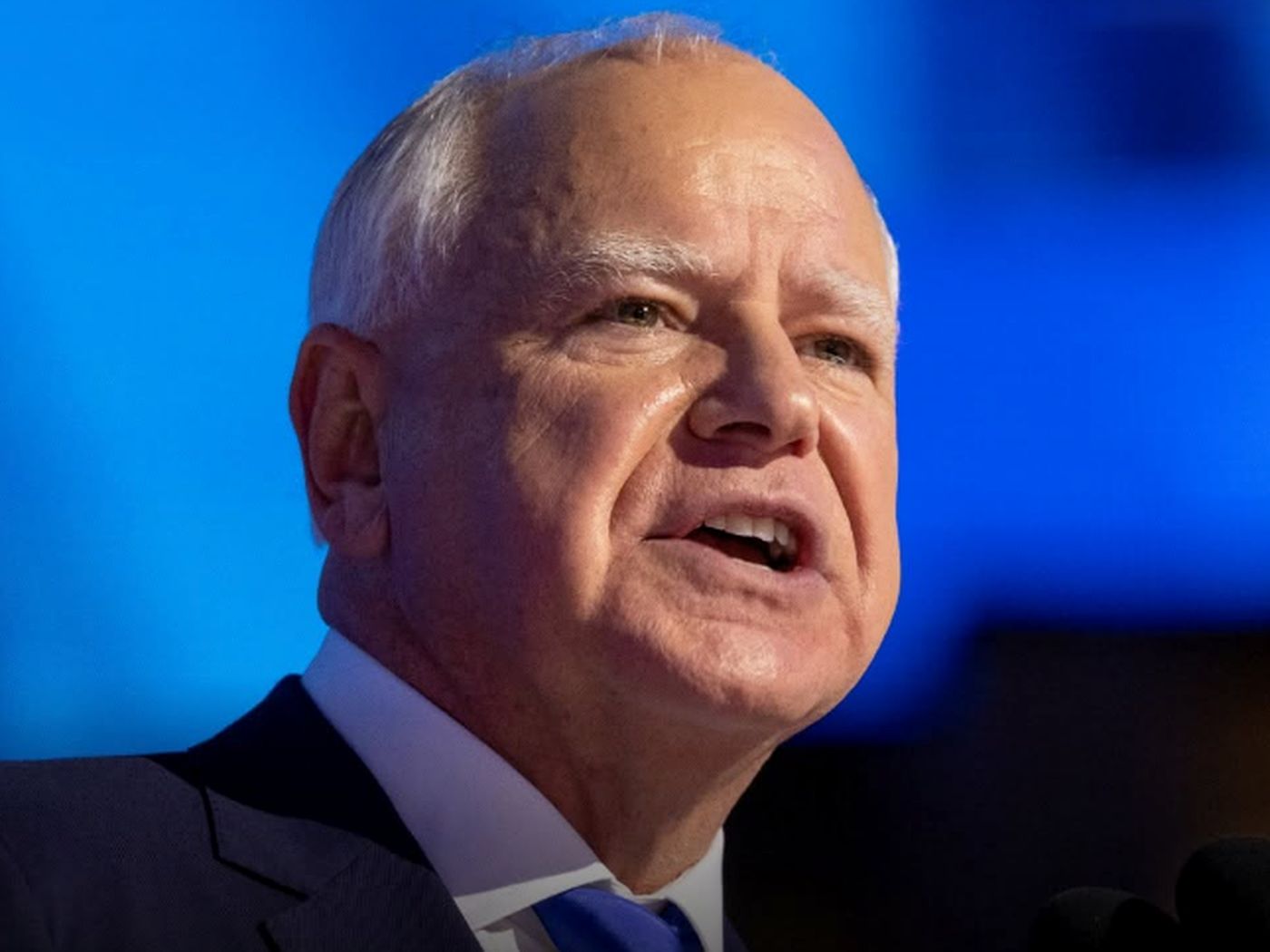
U.S. District Judge Patrick Schiltz has voided six Justice Department grand jury subpoenas issued to Minnesota Governor Tim Walz and other state and local Democratic officials. The June 22, 2026, ruling described the subpoenas as an unconstitutional effort to harass and retaliate against political opponents over their resistance to federal immigration enforcement initiatives.
The subpoenas, issued in January 2026, sought records related to state and local cooperation with federal immigration authorities during Operation Metro Surge. They targeted Walz, Attorney General Keith Ellison, Minneapolis Mayor Jacob Frey, St. Paul officials, and others. In a strongly worded 29-page opinion, Judge Schiltz stated there was “overwhelming evidence” that the subpoenas lacked a legitimate investigatory purpose and were instead intended to coerce officials into assisting with civil immigration enforcement.
“The initiation of a criminal investigation in order to harass political opponents or to coerce them into taking official action… is a blatantly unlawful and unethical use of the grand-jury process,” Schiltz wrote. He noted the subpoenas were “extraordinarily broad” and that the DOJ failed to identify any plausible criminal violation.
The ruling marks a significant legal setback for the Trump administration’s efforts to pressure sanctuary jurisdictions. Minnesota officials had publicly opposed aspects of federal immigration crackdowns, leading to heightened tensions with Washington. Walz’s office welcomed the decision as a defense of state sovereignty and the rule of law.
Department of Justice representatives expressed disappointment but indicated they are reviewing options, including potential appeals. Legal experts describe the move to quash grand jury subpoenas as relatively rare, underscoring the judge’s view of the case’s merits.
The episode highlights ongoing conflicts between federal immigration priorities and state/local policies. It adds to a series of court challenges involving the administration’s enforcement strategies. As investigations into broader immigration matters continue, the decision may influence similar disputes in other jurisdictions.
Critics of the subpoenas hailed the ruling as a check on executive overreach, while supporters of stricter enforcement argue it complicates legitimate oversight of federal program compliance. The full implications for future intergovernmental relations remain to be seen as both sides navigate the complex legal and political landscape surrounding immigration policy.
Federal Judge Quashes DOJ Subpoenas Targeting Minnesota Gov. Tim Walz