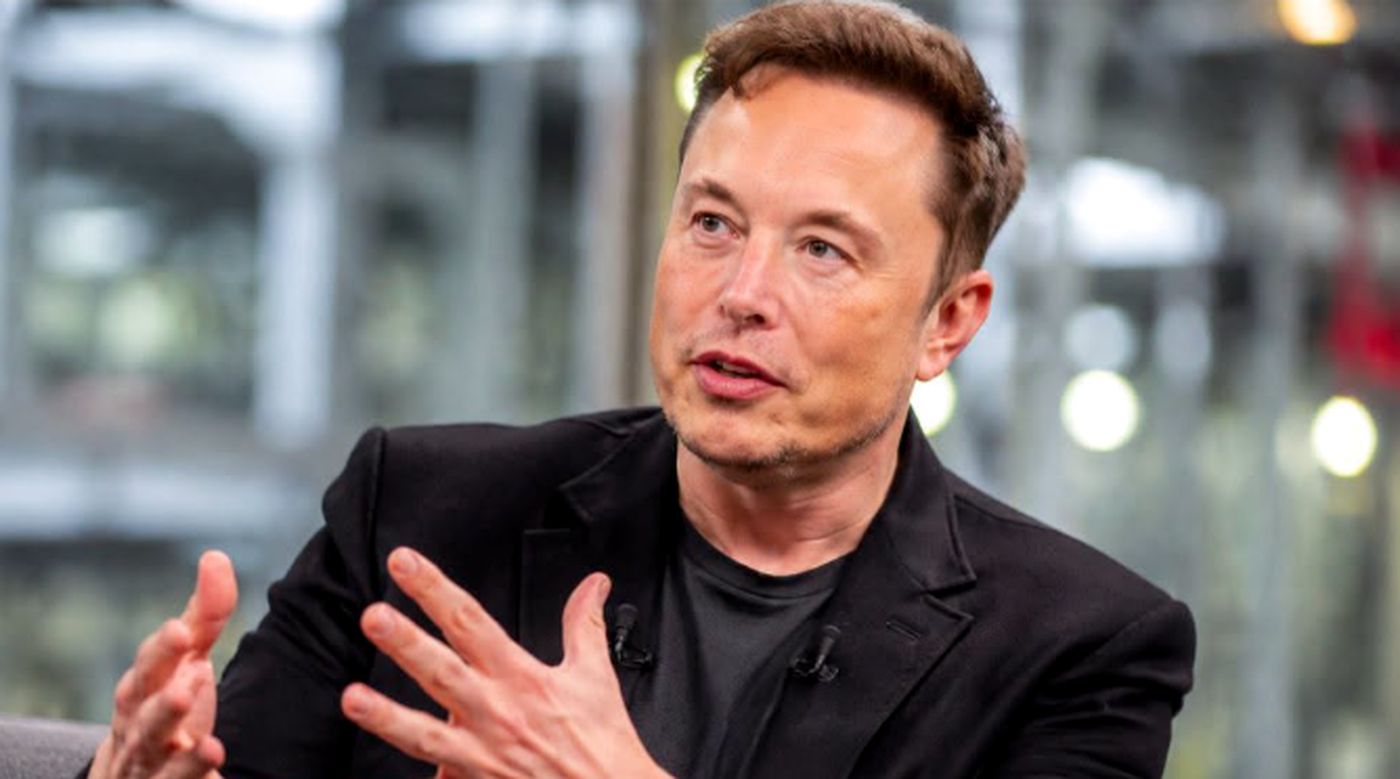
In 2021, a high-profile exchange between Elon Musk and the United Nations World Food Programme (WFP) brought renewed attention to global hunger efforts and questions about organizational transparency. WFP Executive Director David Beasley stated that approximately $6.6 billion could help prevent famine for 42 million people facing acute hunger. Musk responded by offering to sell Tesla stock to provide the funds, but only on the condition that the organization provide a detailed, public, open-source accounting of exactly how the money would be spent.
The WFP responded by releasing a comprehensive spending plan outlining the allocation: roughly $3.5 billion for food procurement and delivery, $2 billion for cash and food vouchers, $700 million for country-specific programs, and $400 million for administration, oversight, and logistics. Officials emphasized existing transparency mechanisms and invited further discussion with Musk and other potential donors. Beasley publicly shared the plan and expressed readiness to meet.
Musk did not proceed with the $6 billion donation following the response. The episode sparked widespread debate, with supporters of Musk praising his demand for accountability in large-scale charitable giving, while critics argued it turned a humanitarian crisis into a public spectacle and overlooked the WFP’s established auditing processes as a Nobel Peace Prize-winning organization.
The WFP maintains rigorous financial oversight, including audits and public reporting, as is standard for major UN agencies. Proponents of greater scrutiny in international aid organizations argue that high administrative costs and complex logistics in conflict zones can reduce the efficiency of donations. Others highlight that ending world hunger requires sustained, multi-year efforts addressing root causes such as conflict, climate change, and economic instability, rather than one-time contributions.
This exchange continues to be referenced in discussions about philanthropic accountability, effective altruism, and the challenges of large-scale humanitarian aid. Musk has since donated billions through various initiatives, including the Musk Foundation, while the WFP continues operations amid ongoing global food crises. The incident underscored tensions between demands for radical transparency and the operational realities of international development organizations working in difficult environments.
As global hunger remains a pressing issue, with millions still facing food insecurity, the 2021 debate serves as a reminder of the complexities involved in bridging private wealth with institutional aid efforts. Calls for clearer metrics on impact and reduced overhead persist across the philanthropic sector.
Elon Musk Challenges UN World Food Programme on Transparency for $6 Billion Hunger Pledge