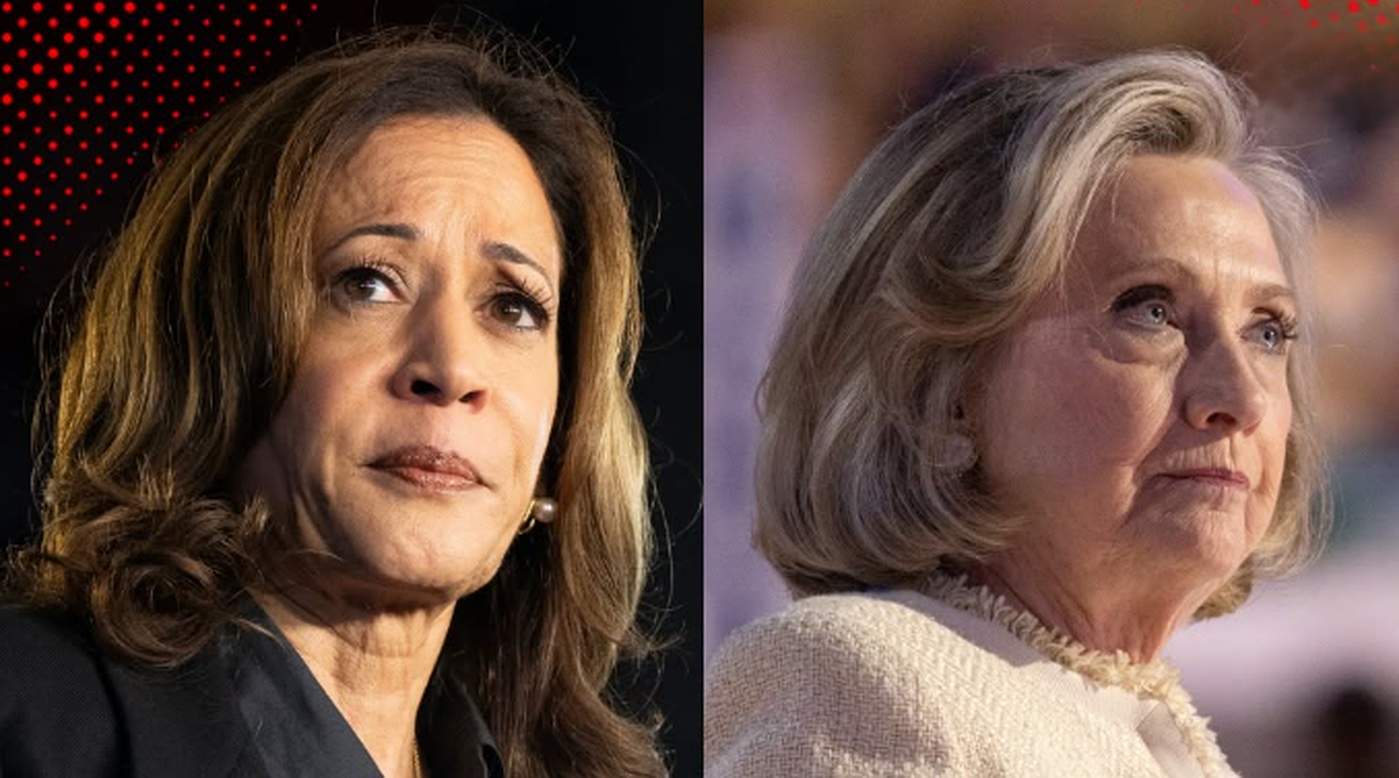
The electoral defeats of Hillary Clinton in 2016 and Kamala Harris in 2024 to Donald Trump have sparked persistent analysis and partisan disagreement about the underlying causes. Supporters of the former candidates often cite external factors including sexism, racism, foreign interference, and media bias, while critics argue the losses stemmed primarily from candidate performance, campaign strategies, and policy positions.
Clinton, who secured the Democratic nomination in 2016 as the first major-party female presidential candidate, faced questions about her use of a private email server while Secretary of State, leading to an FBI investigation that dominated late-campaign coverage. Polling showed concerns among voters about trustworthiness and likability. Trump’s victory was attributed by some analysts to his appeal in Rust Belt states and voter dissatisfaction with establishment politics. Clinton and her allies pointed to Russian interference efforts documented in intelligence reports as a contributing factor.
Harris, who stepped in as the Democratic nominee in 2024 after President Biden withdrew, had served as Vice President with a focus on issues including voting rights and reproductive access. Her campaign emphasized protecting democracy and expanding opportunity, but faced criticism over border security, inflation during the Biden-Harris administration, and perceived shifts in policy positions. Trump’s return to victory was driven by strong support among working-class voters, particularly men and certain minority groups, according to exit polls.
Observers across the spectrum note that both campaigns encountered challenges connecting with broad segments of the electorate. Factors such as economic conditions, cultural shifts, and turnout patterns played significant roles in both elections. While gender was discussed as a potential barrier, many analysts emphasize that other variables—including messaging, economic perceptions, and opponent strengths—were more decisive.
The recurring narrative on the political left often highlights systemic biases and external sabotage, while conservatives contend that the results reflected voter rejection of specific records and approaches. Political scientists continue to study these contests as case studies in modern campaigning, noting that retrospective assessments of presidential candidates frequently evolve over time.
As the 2028 cycle approaches, reflections on the 2016 and 2024 races remain central to Democratic Party soul-searching and strategy discussions. Both Clinton and Harris have maintained active public profiles, with Clinton focusing on global issues and Harris engaging in advocacy work. The debates underscore the complex interplay of candidate qualities, structural factors, and voter priorities in determining electoral outcomes in a deeply polarized nation.
Debate Over Reasons for Harris and Clinton Election Losses Continues