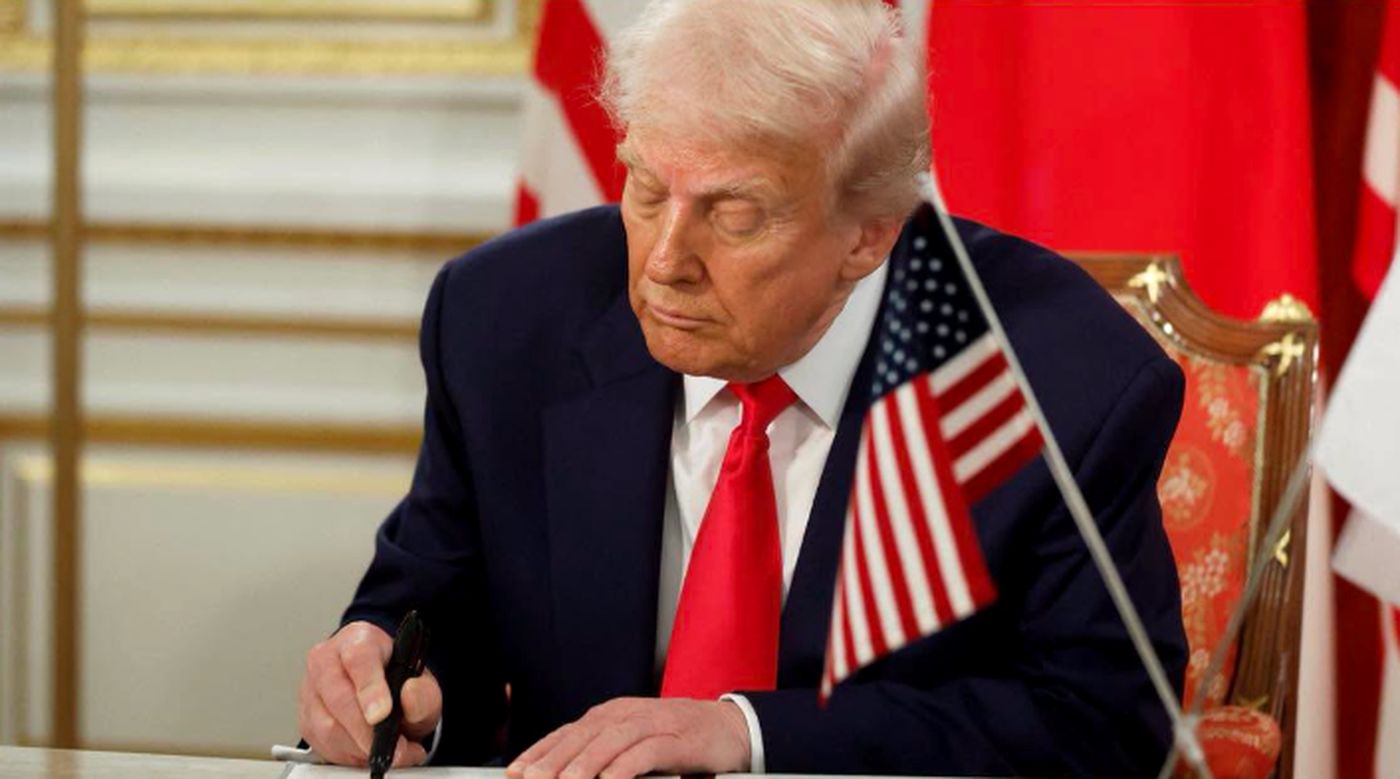
President Donald Trump has taken a firm stance by refusing to advance or sign additional legislation, including major bipartisan bills, until Congress passes the SAVE America Act, a package focused on strengthening election security. The president described the measure as a national priority, emphasizing the need to implement proof of citizenship requirements, strict photo ID for voter registration, and other safeguards against fraud and foreign interference before addressing secondary issues.
The SAVE America Act has been a key legislative goal for Republicans, aiming to restore public confidence in electoral processes following controversies in recent cycles. Supporters argue that these reforms are essential to protect the integrity of American democracy and ensure that only eligible citizens participate in federal elections. They contend that years of lax policies have eroded trust and left the system vulnerable to manipulation.
The decision to link the housing and other bills to election reform has created friction on Capitol Hill. The 21st Century ROAD to Housing Act, which passed with strong bipartisan support, addresses affordability challenges through increased supply and restrictions on institutional investors. Critics of the president’s approach warn that delaying such measures exacerbates housing costs for American families amid ongoing economic pressures. However, administration officials maintain that securing the foundational elements of democracy takes precedence.
House and Senate Republican leaders have expressed varying degrees of support, with some pushing for negotiations to resolve the impasse while others back the president’s hardline position. Democrats have condemned the move as partisan obstructionism that prioritizes political messaging over practical governance and constituent needs.
This standoff highlights deep divisions over legislative priorities in the current Congress. Election integrity remains a highly polarized issue, with polls showing significant portions of the public favoring stronger verification measures, while opponents argue they could disenfranchise eligible voters and lack sufficient evidence of widespread problems.
As negotiations continue, the outcome could shape the administration’s agenda on border security, economic relief, and broader policy goals. The president’s strategy reflects his “America First” commitment, positioning election safeguards as non-negotiable prerequisites for further legislative action. Observers anticipate intense discussions in the coming days as lawmakers weigh political consequences and policy impacts.
The situation underscores the challenges of governing in a divided environment, where competing priorities and institutional trust issues complicate progress on key national challenges.