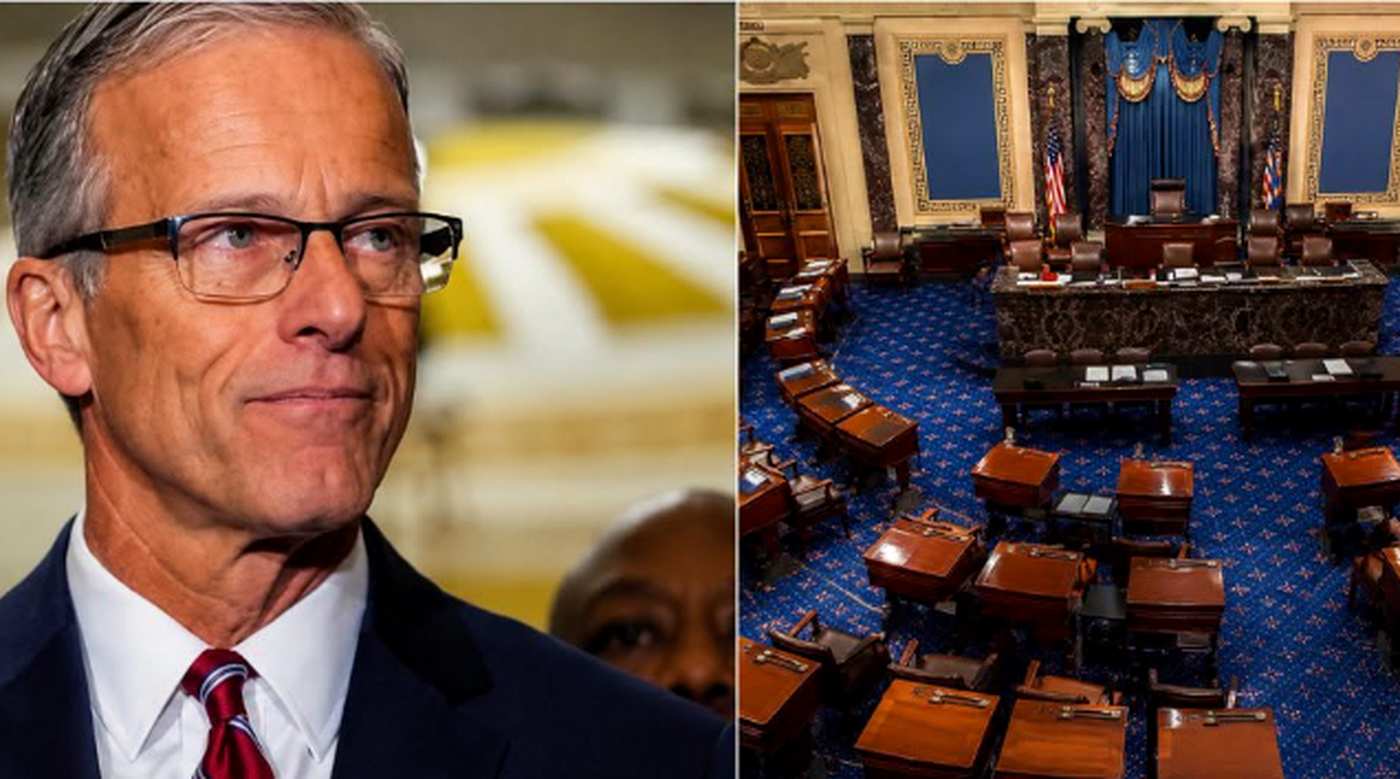
Senate Majority Leader John Thune (R-S.D.) has presided over a congressional calendar that includes a nearly three-week recess for senators, drawing criticism from some conservatives who argue that critical legislation is being delayed while Americans face economic pressures. The Senate adjourned for a state work period expected to last approximately 19 days, allowing members to return to their home states as the chamber navigates a narrow Republican majority and competing priorities.
The recess comes as several key bills remain pending, including elements of the SAVE America Act on election integrity and broader fiscal measures. Critics within Republican circles have questioned whether the schedule reflects sufficient urgency on issues such as border security, government spending, and regulatory reform. Some voices have called for new leadership in the Senate, suggesting that the current pace does not match the expectations set by the Trump administration and voters in the 2024 elections.
Supporters of the schedule point out that recesses are standard practice in Congress, providing lawmakers time for constituent engagement, district visits, and policy development away from Washington. Senate calendars have long included extended breaks around holidays and in summer months, with the current period aligning with Independence Day observances. Thune’s office has emphasized that the chamber has made progress on certain confirmations and must balance legislative demands with members’ responsibilities in their states.
The debate reflects ongoing tensions within the Republican Party between those pushing for rapid advancement of the “America First” agenda and those prioritizing deliberate legislative processes in a closely divided Senate. With a slim majority, passing major bills often requires overcoming internal divisions and procedural hurdles such as the filibuster.
As the Senate prepares to reconvene, attention will focus on whether the break allows for productive negotiations or if it exacerbates perceptions of inaction on pressing national issues. Public frustration with congressional productivity remains high, with polls consistently showing low approval ratings for the institution regardless of which party holds the majority.
This episode underscores the challenges of governing with limited majorities and the expectations placed on leadership to deliver results efficiently. As conservatives voice concerns about the pace of work, the coming weeks may see increased pressure on Senate Republicans to demonstrate tangible progress upon their return.
Senate Enters Extended Recess Amid Criticism Over Legislative Priorities