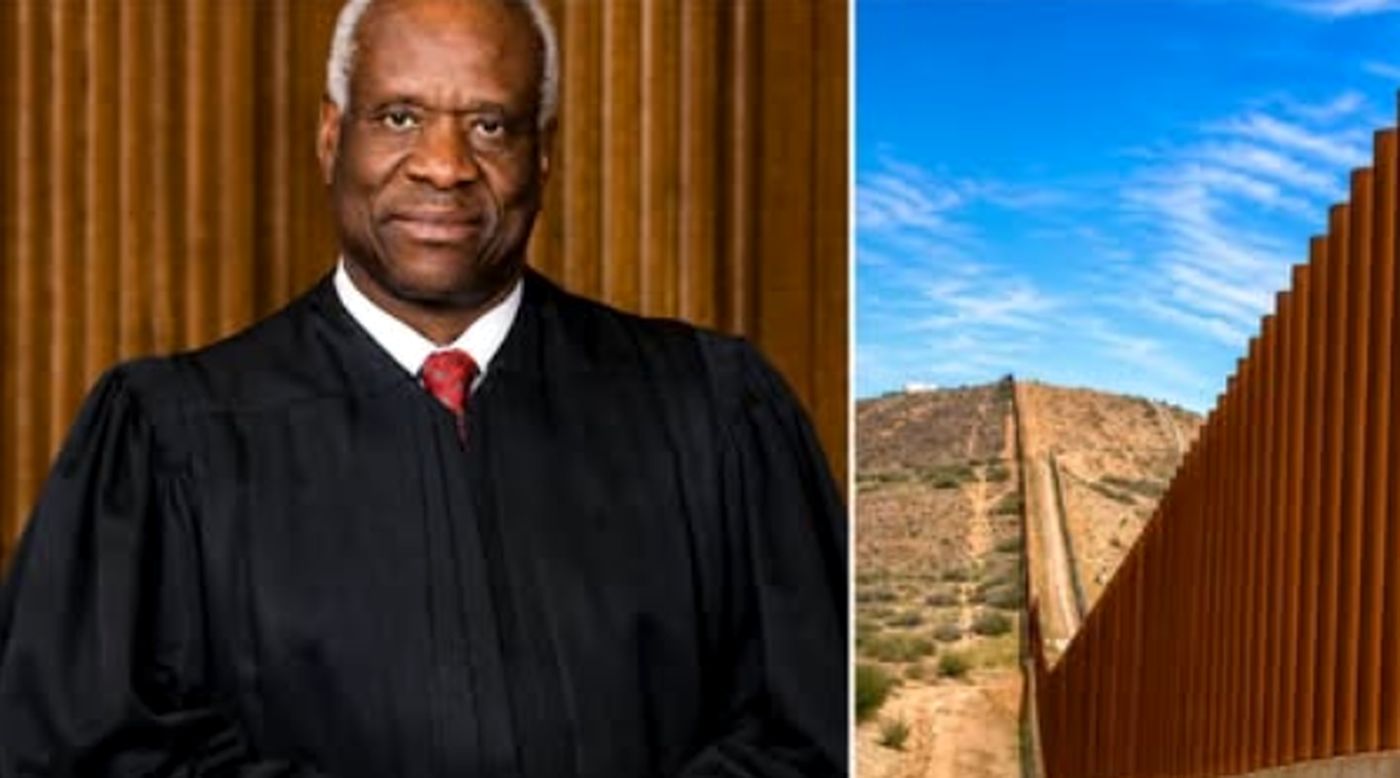
In a concurring opinion issued as part of a recent Supreme Court decision upholding the termination of Temporary Protected Status (TPS) for certain migrants, Justice Clarence Thomas stated that “aliens have no equal protection rights against the Federal Government.” The remark came in the context of a challenge involving Haitian nationals and broader immigration enforcement authority.
The Supreme Court ruled in favor of the Trump administration’s ability to end TPS designations, reinforcing executive discretion in immigration matters. Thomas’s concurrence emphasized a textualist and originalist interpretation, noting that the Equal Protection Clause of the 14th Amendment applies to the states, while the federal government operates under the Due Process Clause of the Fifth Amendment. He argued that longstanding precedents treating federal actions toward noncitizens differently reflect the unique plenary power of the federal government over immigration and national security.
Legal experts note that Thomas’s view, while not binding as part of the majority opinion, underscores a longstanding distinction in constitutional law between citizen rights and the federal government’s authority regarding noncitizens, particularly in entry, removal, and border-related decisions. The ruling supports broader enforcement efforts, including expedited processes for individuals without lawful status.
Supporters of the opinion view it as a reaffirmation of constitutional principles that grant the political branches wide latitude in immigration policy without the same constraints applied to domestic regulations affecting citizens. Critics argue that the position could erode due process protections for noncitizens present in the United States and raise concerns about arbitrary government actions.
The decision and concurrence reflect ongoing debates over the balance between national sovereignty, immigration enforcement, and individual rights. As lower courts and future cases apply these principles, the scope of federal authority in this area is likely to remain a focal point of litigation and policy discussions.
This development highlights the Supreme Court’s role in clarifying constitutional boundaries in immigration law amid continued national debates over border security and legal protections.
Justice Clarence Thomas Asserts Noncitizens Lack Equal Protection Rights Against Federal Government