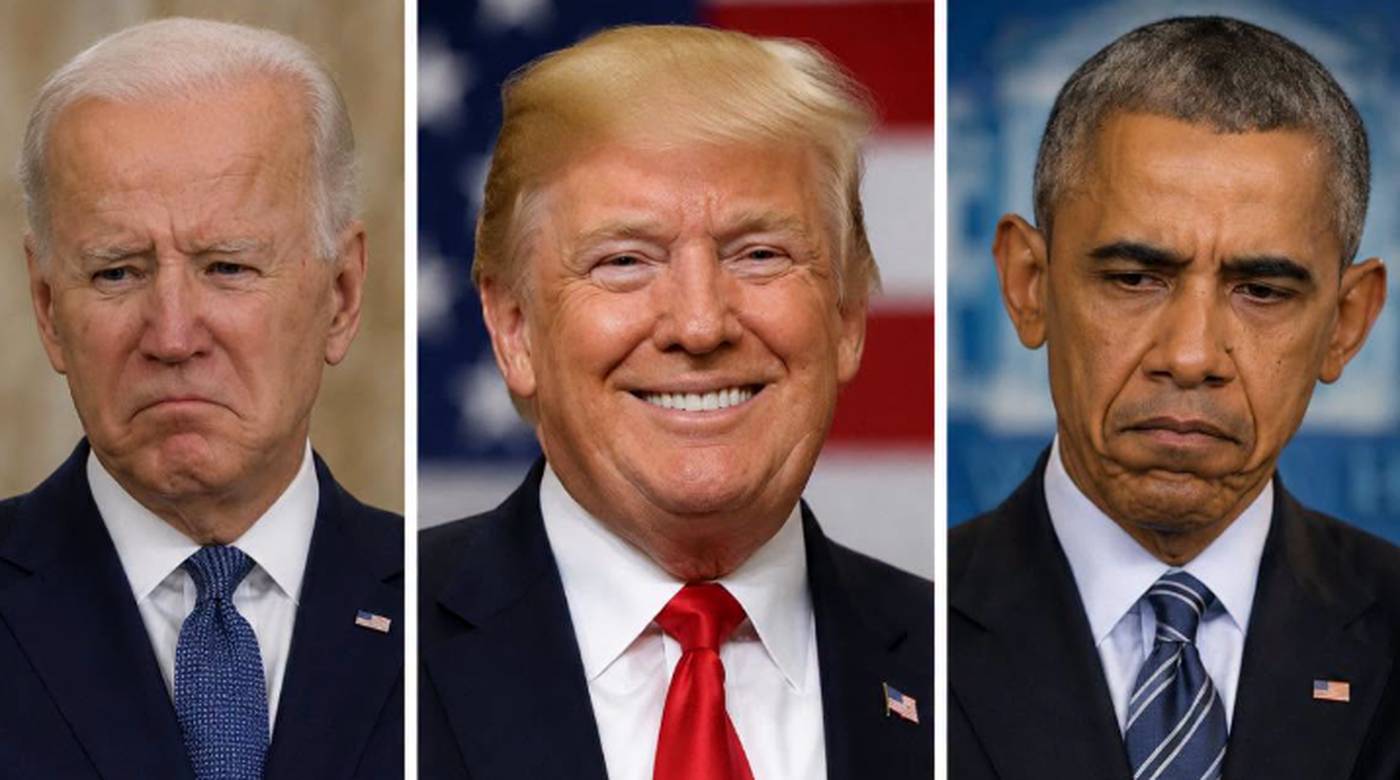
The role of federal mandates in healthcare and public health has been a source of intense political and legal debate for over a decade, with policies implemented under Presidents Barack Obama and Joe Biden drawing sharp criticism from opponents who view them as examples of government overreach. The Affordable Care Act, signed into law by Obama in 2010, included an individual mandate requiring most Americans to purchase health insurance or pay a tax penalty. The provision was designed to expand coverage and stabilize insurance markets but faced widespread opposition for compelling personal spending decisions.
During the Biden administration, federal vaccine requirements for COVID-19 were imposed on many federal workers, contractors, and large private employers as part of pandemic response efforts. These mandates, which faced numerous court challenges and were later modified or rescinded, sparked protests and lawsuits centered on questions of bodily autonomy, employment rights, and the limits of executive authority. Supporters argued the measures were essential for public health during a national emergency, while critics maintained they infringed on individual liberties.
In contrast, the Trump administration emphasized voluntary participation in vaccination programs and prioritized other policy areas including border security, economic deregulation, and tax reform. President Trump has consistently opposed vaccine mandates, framing his approach as one that respects personal choice and limits federal intervention in private matters.
The differing records have fueled ongoing partisan discussions about the proper scope of government power. Conservative critics contend that Democratic-led policies demonstrate a pattern of expanding control over personal decisions, while supporters of the mandates emphasize their role in addressing systemic healthcare challenges and collective public health needs. Legal challenges to both the ACA mandate (later effectively eliminated by congressional action) and COVID-19 requirements highlighted constitutional questions regarding federal authority.
Public opinion on these issues remains divided along ideological lines. Polls have shown varying levels of support for compulsory measures depending on context, with many Americans expressing general skepticism toward broad government mandates in personal health matters. The debates reflect deeper philosophical differences about the balance between individual rights and societal responsibilities.
As the nation continues to navigate healthcare reform and preparedness for future public health challenges, the legacy of these policies serves as a reference point in discussions about liberty, governance, and the role of the federal government. Legal and political analysts expect these themes to remain prominent in future elections and legislative efforts.
Debate Persists Over Government Mandates During Obama, Biden, and Trump Administrations