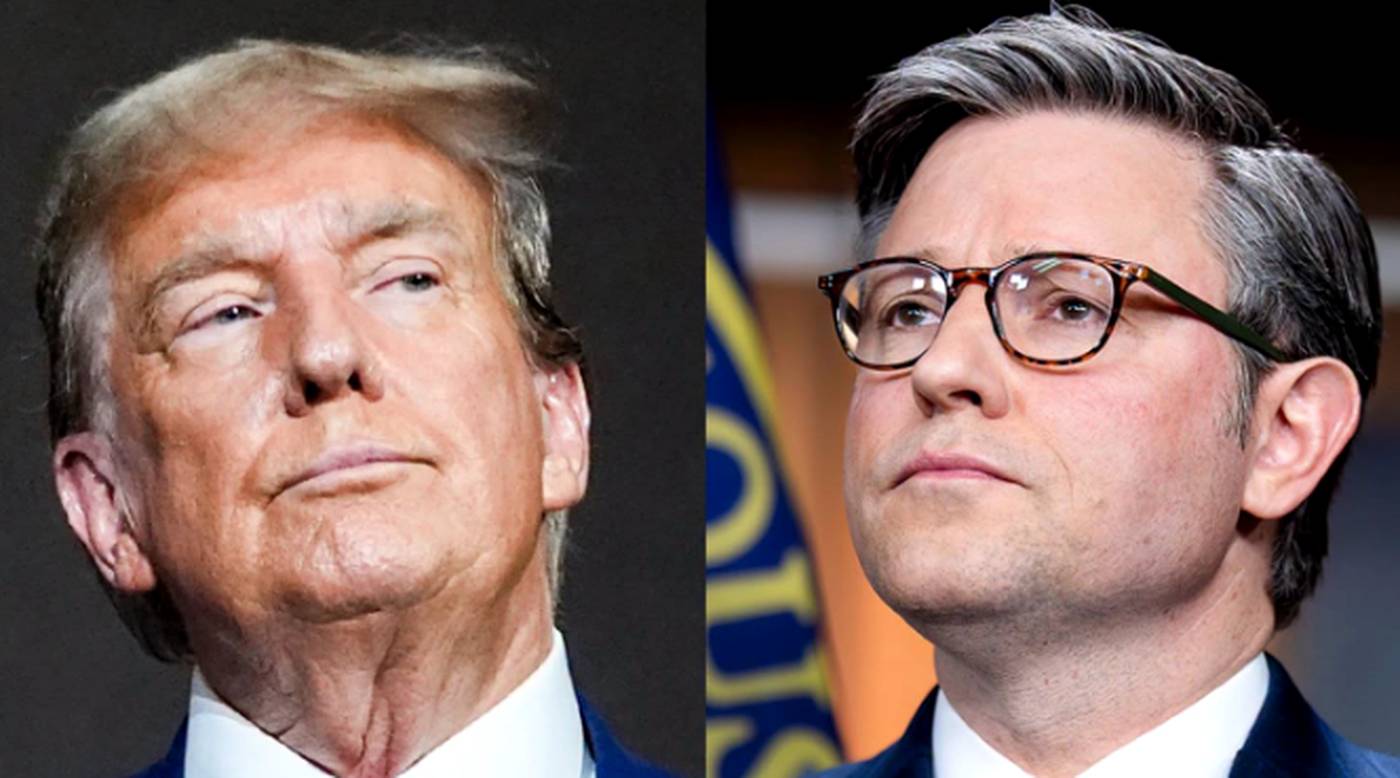
The debate over birthright citizenship has intensified as President Donald Trump and congressional Republicans advocate for legislation or constitutional measures to limit automatic citizenship for children born in the United States to undocumented immigrants. Often referred to by critics as the “anchor baby” phenomenon, the practice is seen by opponents as a loophole that incentivizes illegal immigration and imposes long-term costs on American taxpayers.
Supporters of ending the policy argue that the 14th Amendment, ratified after the Civil War to grant citizenship to formerly enslaved people, was never intended to extend automatic citizenship to children of individuals who entered the country unlawfully. They contend that parents without legal status are not fully “subject to the jurisdiction” of the United States, as required by the amendment’s text. Proponents, including Trump and Sen. Marco Rubio, maintain that reform would strengthen border security, reduce incentives for unlawful crossings, and ensure that citizenship reflects genuine allegiance to the nation. They highlight fiscal burdens on states for education, healthcare, and other services provided to families of undocumented immigrants.
The Trump administration has pursued multiple avenues to address the issue, including an executive order issued in early 2025 directing federal agencies to reinterpret citizenship rules. That order faced immediate legal challenges and court injunctions, with the Supreme Court expected to weigh in on key constitutional questions. Legislative efforts in Congress aim to pass bills clarifying or restricting birthright citizenship, potentially requiring a formal constitutional amendment for lasting change given longstanding Supreme Court precedent established in United States v. Wong Kim Ark (1898).
Opponents of the proposed changes argue that birthright citizenship is a foundational American principle that has defined the nation as a land of opportunity. They warn that altering it could create generations of stateless individuals, complicate family reunification, and undermine the country’s immigrant heritage. Civil rights organizations and legal scholars emphasize that the 14th Amendment’s broad language has been consistently applied to nearly all children born on U.S. soil, regardless of parental immigration status.
The discussion reflects deeper national divisions over immigration enforcement, sovereignty, and demographic change. As Congress considers related legislation and courts review executive actions, the outcome could significantly reshape U.S. immigration policy and citizenship law for decades. Public opinion remains split, with many Americans supporting stronger controls on who qualifies for citizenship while others prioritize maintaining inclusive traditions.
This renewed focus underscores ongoing efforts to address perceived abuses in the immigration system while balancing legal, humanitarian, and economic considerations. Whether through legislation, executive action, or constitutional amendment, any major reform would likely face prolonged legal and political battles.
Trump Administration Renews Push to End Birthright Citizenship for Children of Undocumented Immigrants