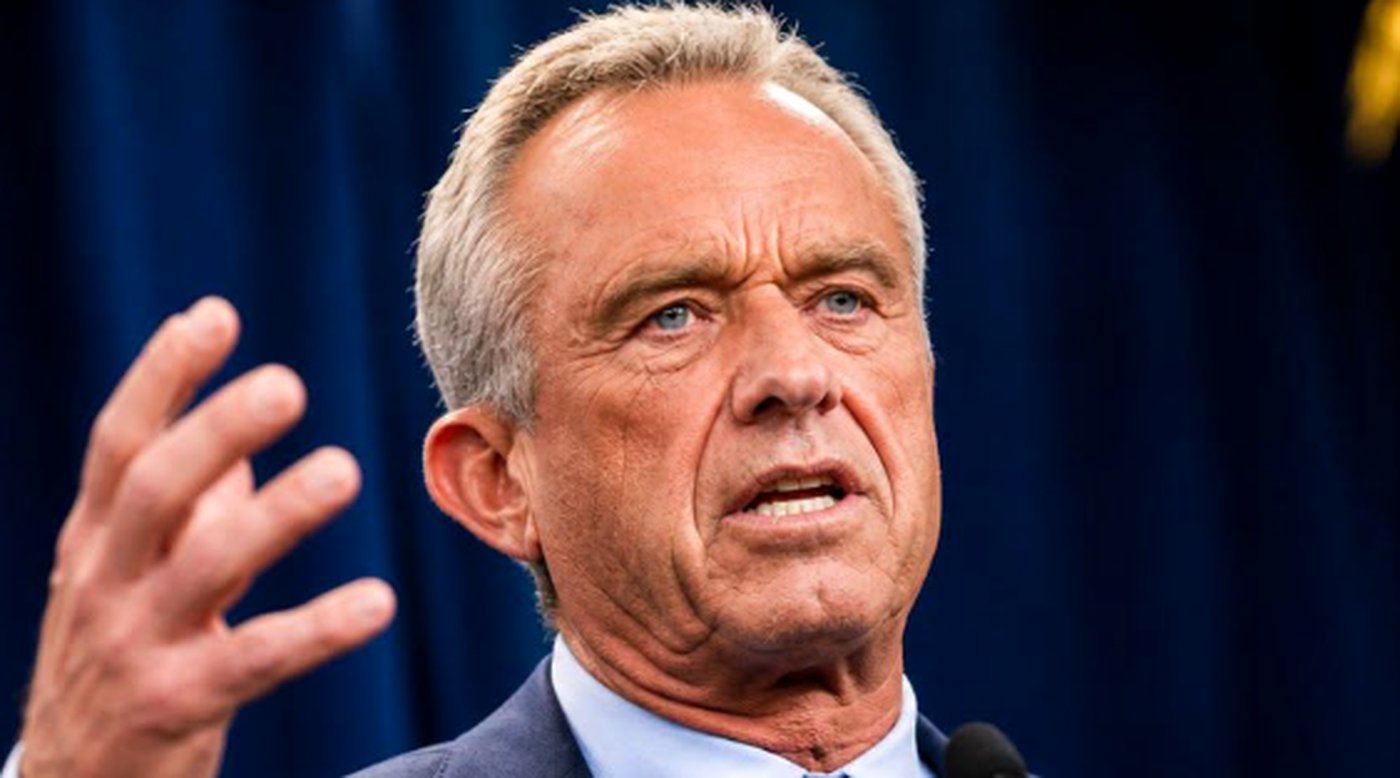
Health and Human Services Secretary Robert F. Kennedy Jr. has spearheaded a major initiative to eliminate petroleum-based synthetic food dyes from the American food supply, targeting eight of the most commonly used artificial color additives. The announcement, made in April 2025, is part of the broader “Make America Healthy Again” agenda aimed at reducing potential health risks associated with these additives, particularly for children.
The FDA is working with food manufacturers to phase out dyes such as Red No. 40, Yellow No. 5, Yellow No. 6, and others frequently found in cereals, snacks, candies, and beverages. The goal is a voluntary industry transition to natural alternatives, with timelines extending into 2026 and 2027. The agency has also approved additional natural color options to facilitate the shift.
Proponents, including many parents and health advocates, praise the move as a long-overdue step to improve children’s diets and address concerns over links to hyperactivity and other behavioral issues. Kennedy has emphasized that these synthetic compounds provide no nutritional value while potentially posing risks. The initiative has gained support from those calling for cleaner food options without heavy reliance on chemical additives.
Industry response has been mixed, with some major companies committing to reformulations while others move more slowly due to technical and cost challenges. Critics argue that evidence on the dyes’ harms varies and warn that abrupt changes could affect product availability or increase prices. However, the FDA maintains that collaboration with manufacturers will ensure a smooth transition without outright bans in all cases.
This policy shift reflects growing public and governmental focus on food ingredients and their impact on public health. As implementation progresses, experts will monitor effects on the food industry, consumer choices, and potential health outcomes. The effort underscores ongoing debates about regulatory roles in balancing safety, innovation, and consumer preferences in the nation’s food system.