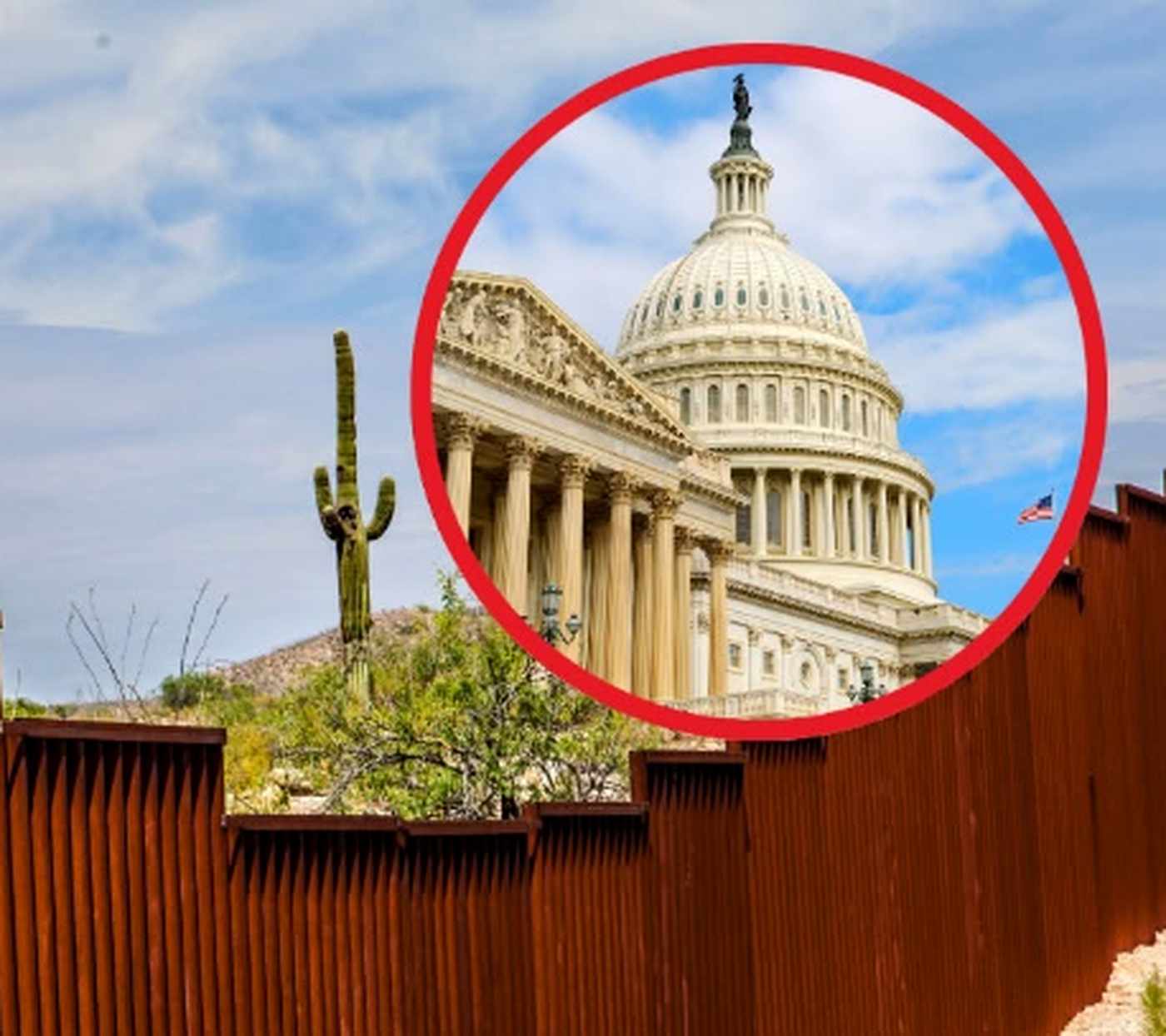
The U.S. government is advancing plans to complete remaining sections of the southern border wall, with officials targeting late 2027 for substantial completion of primary barriers. According to Customs and Border Protection (CBP), construction continues in targeted high-priority areas along the nearly 2,000-mile U.S.-Mexico border, building on progress made since the start of the current administration.
CBP Commissioner Rodney Scott and other officials have stated that the primary “Smart Wall” system — incorporating steel bollard fencing, secondary barriers, patrol roads, and advanced surveillance technology — is on track for completion by the end of 2027. This includes new construction and replacements in sectors with historically high rates of illegal crossings. As of mid-2026, hundreds of miles of new and replacement barriers have been installed or are under contract, supported by significant congressional funding through measures like the One Big Beautiful Bill Act.
Supporters of the project, including administration officials and many Republican lawmakers, argue that enhanced physical barriers improve border security, deter illegal crossings, reduce drug smuggling, and enhance operational control for Border Patrol agents. They point to declining encounter numbers in completed areas as evidence of effectiveness and emphasize the strategic importance of reducing reliance on catch-and-release policies.
Critics, including Democratic lawmakers, immigrant rights advocates, and some environmental groups, question the overall cost-effectiveness and long-term impact of the wall. They cite high construction expenses — often tens of millions per mile — along with legal challenges, environmental concerns, and arguments that walls alone cannot address root causes of migration or sophisticated smuggling tactics. Opponents also highlight potential disruptions to wildlife corridors and border communities.
Funding remains a key factor, with billions allocated through recent legislation, though ongoing legal reviews and land acquisition issues could influence timelines. The project continues to generate intense political debate nationwide, reflecting broader divisions over immigration enforcement, federal spending, and border policy priorities.
As work progresses, officials are prioritizing operational needs in specific sectors while integrating technology solutions for a comprehensive “Smart Wall” approach. The developments underscore the persistent challenges of securing the southern border amid evolving migration patterns and political dynamics.
US Plans to Complete Remaining Southern Border Wall Sections by Late 2027