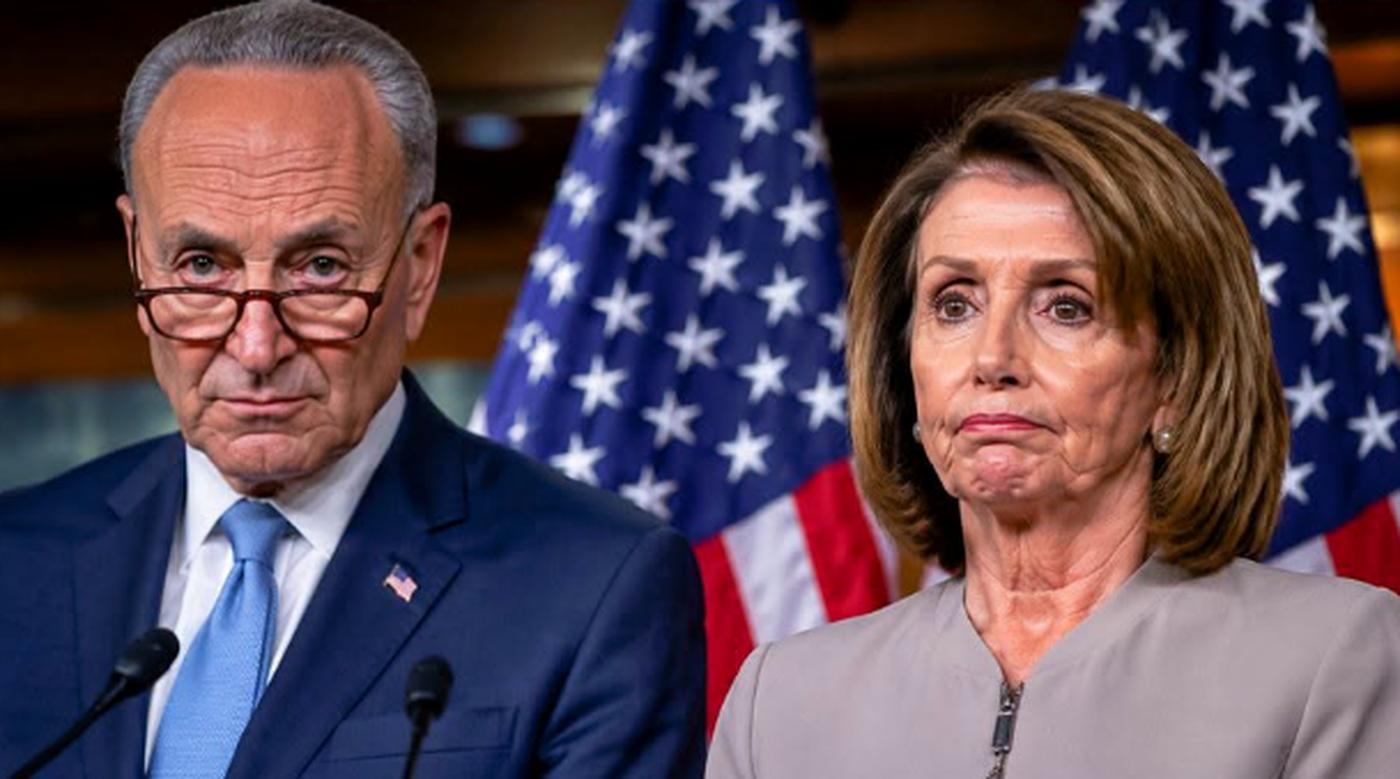
The allocation of U.S. foreign aid continues to spark heated political debate as lawmakers approve billions in international assistance while many Americans face economic pressures at home. In recent fiscal years, the United States has provided tens of billions of dollars annually in foreign aid, including military support, humanitarian assistance, and development programs across various regions.
Proponents of robust foreign aid argue that it advances American national security interests, strengthens alliances, promotes stability in key regions, and supports global health and economic initiatives that ultimately benefit the U.S. They point to programs addressing famine, disease outbreaks, and refugee crises as moral and strategic imperatives that prevent larger problems from reaching American shores. Supporters also highlight how aid can open markets for American goods and counter influence from competitors like China and Russia.
Critics, however, contend that with pressing domestic challenges such as infrastructure repair, healthcare costs, border security, and support for veterans, the United States should prioritize spending on its own citizens. They argue that endless foreign commitments strain taxpayer resources and question the effectiveness and oversight of many aid programs. This perspective aligns with “America First” principles, which emphasize reducing overseas spending to focus on rebuilding at home.
Recent congressional budget discussions have featured proposals to trim or redirect foreign aid, with some lawmakers suggesting stricter conditions or cuts to certain recipients. Public opinion polls often show divided views, with many Americans supporting humanitarian efforts but expressing skepticism about large-scale, long-term commitments abroad when domestic poverty and economic insecurity persist.
The tension reflects fundamental questions about America’s role in the world and the balance between global leadership and domestic responsibilities. As the national debt exceeds $36 trillion, fiscal conservatives continue to push for greater scrutiny of international spending, while internationalists warn that reduced engagement could create power vacuums and long-term security risks.
Policymakers face the ongoing challenge of justifying expenditures to constituents who want tangible improvements in their daily lives. Whether through targeted reforms, increased transparency, or shifts in priorities, the foreign aid debate is expected to remain a central feature of American political discourse for years to come.