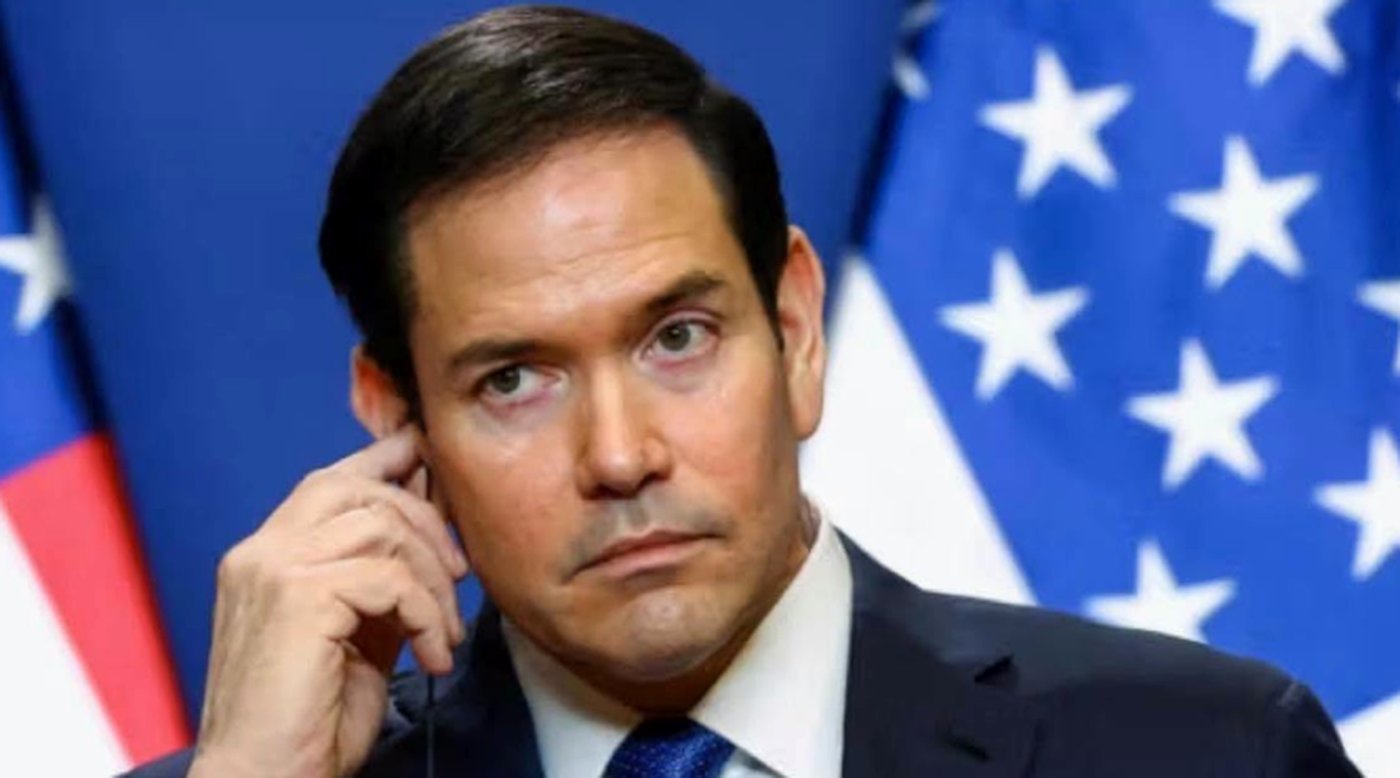
Secretary of State Marco Rubio has reiterated concerns about the persistent threat posed by radical Islamist ideologies, emphasizing the need for clear-eyed assessments in U.S. foreign and domestic policy. In recent public statements, Rubio argued that political correctness has sometimes hindered frank discussions about extremism originating from certain interpretations of Islam, potentially compromising national security and the safety of American allies.
Rubio’s comments reflect longstanding debates within U.S. policymaking circles regarding counterterrorism strategies, immigration screening, and the integration of individuals from regions affected by radical ideologies. Proponents of a firm stance maintain that recognizing specific ideological drivers of violence — such as jihadist groups including ISIS, al-Qaeda, and affiliates — is essential for effective prevention. They point to historical incidents, including the September 11 attacks, various domestic plots, and ongoing conflicts in the Middle East and Africa, as evidence that ideological motivations cannot be ignored.
Administration officials have linked these concerns to broader immigration and border policies, advocating for enhanced vetting processes, restrictions on entries from high-risk areas, and measures to promote assimilation into American values. Rubio has stressed that prioritizing citizen safety and constitutional principles does not equate to blanket discrimination but rather serves as responsible governance in a complex global environment.
Critics of this approach contend that focusing on “radical Islam” risks stigmatizing entire Muslim communities, the vast majority of whom reject extremism. They argue that terrorism stems from multiple factors including poverty, political instability, and foreign policy decisions, and that broad generalizations can undermine alliances with Muslim-majority nations and fuel domestic division. Civil liberties advocates emphasize the importance of data-driven, individualized assessments rather than ideological profiling.
The discussion occurs against a backdrop of continued global challenges, including active insurgencies, lone-wolf attacks, and online radicalization efforts. U.S. intelligence agencies continue to monitor threats from groups like ISIS-K and Hezbollah, among others. Rubio’s position aligns with the current administration’s “peace through strength” framework, which prioritizes deterrence, alliances with partners facing similar threats, and robust domestic security measures.
As Congress and the executive branch address ongoing immigration reform and counterterrorism funding, Rubio’s remarks underscore persistent tensions between security imperatives and commitments to inclusivity. Experts note that effective policy requires balancing vigilance against genuine risks with avoidance of policies that alienate potential allies within Muslim communities both abroad and at home.
This ongoing conversation reflects fundamental questions about how democratic societies confront ideological threats while upholding core values of liberty and equal protection under the law.
Marco Rubio Highlights Radical Islam as Ongoing National Security Threat