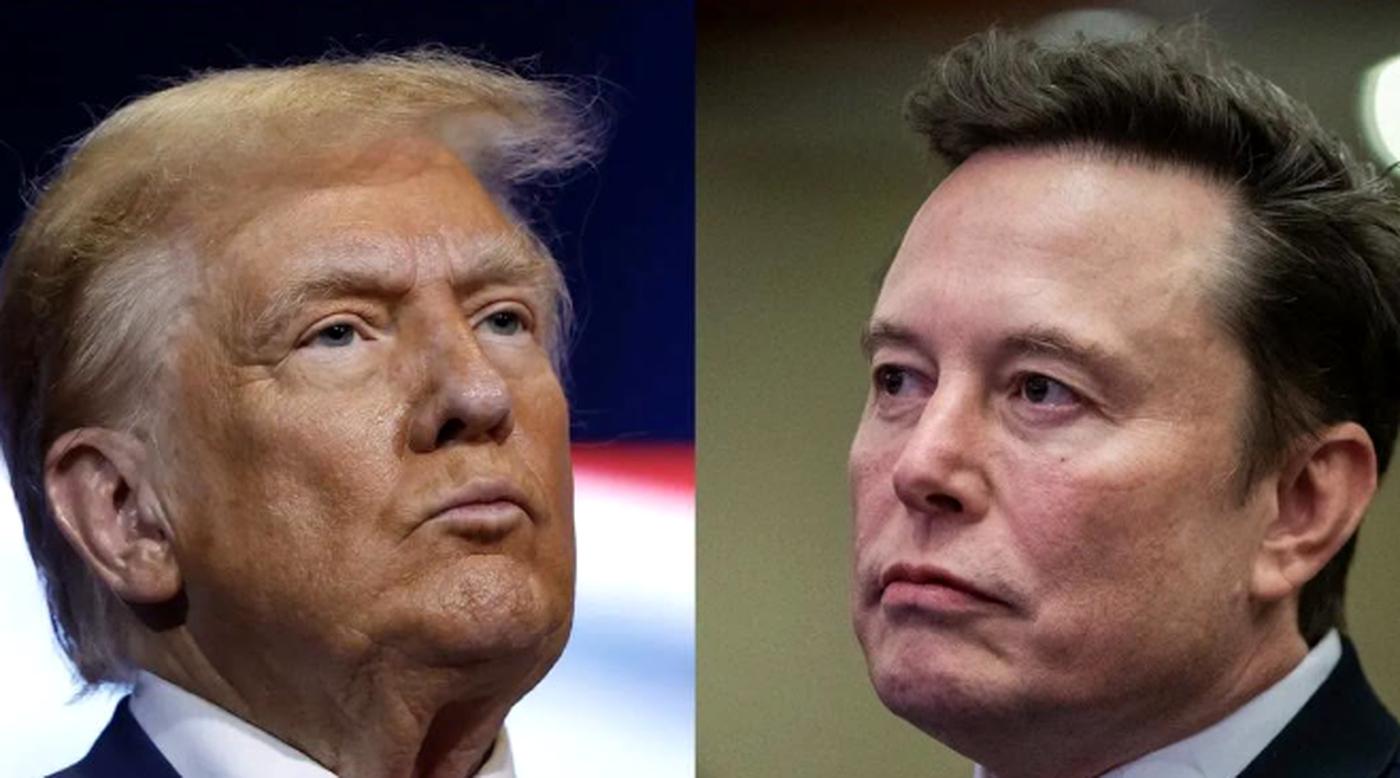
Elon Musk has publicly criticized what he describes as activist judges obstructing President Donald Trump’s agenda, highlighting concerns over the balance of power among government branches. Musk’s comments reflect a broader debate about the role of the judiciary in reviewing executive actions on issues ranging from immigration enforcement to regulatory reforms.
In recent statements, Musk argued that certain court rulings represent political interference rather than impartial application of law, potentially undermining the will of voters who supported the current administration. Supporters of this view contend that repeated injunctions against executive orders on border security, federal workforce changes, and other priorities create undue delays and erode democratic accountability. They advocate for reforms such as limiting nationwide injunctions, clarifying judicial review standards, or even structural changes to the federal courts to restore what they see as proper separation of powers.
Critics of this perspective maintain that judicial review is a fundamental constitutional check designed to prevent executive overreach and protect individual rights. They argue that courts have a duty to intervene when actions appear to violate statutes or the Constitution, regardless of the administration in power. Legal experts note that nationwide injunctions have been used across multiple presidencies, though their frequency has increased in recent years amid heightened polarization.
The discussion comes amid ongoing litigation over key Trump administration initiatives, including immigration measures, federal spending decisions, and agency reorganizations. Several federal judges have issued temporary blocks, prompting appeals that often reach higher courts, including the Supreme Court. Administration officials have expressed frustration with what they characterize as forum-shopping by opponents seeking favorable district judges.
This tension highlights longstanding questions about judicial activism versus restraint in American governance. Proponents of reform suggest measures like requiring multi-judge panels for injunctions or expedited Supreme Court review for significant cases. Opponents warn that such changes could weaken protections against unconstitutional actions and politicize the judiciary further.
As the administration advances its priorities, the interplay between the executive and judicial branches remains a central feature of national political discourse. Legal scholars anticipate continued litigation and potential legislative efforts to address perceived imbalances. The debate underscores fundamental principles of checks and balances, separation of powers, and the challenges of governing in a divided constitutional system.
Public opinion on judicial intervention varies significantly along partisan lines, with polls showing differing views on whether courts are appropriately checking power or obstructing elected leadership. As cases progress through the appellate system, outcomes could shape the scope of executive authority for years to come.
Elon Musk Criticizes Judicial Overreach in Blocking Trump Administration Policies