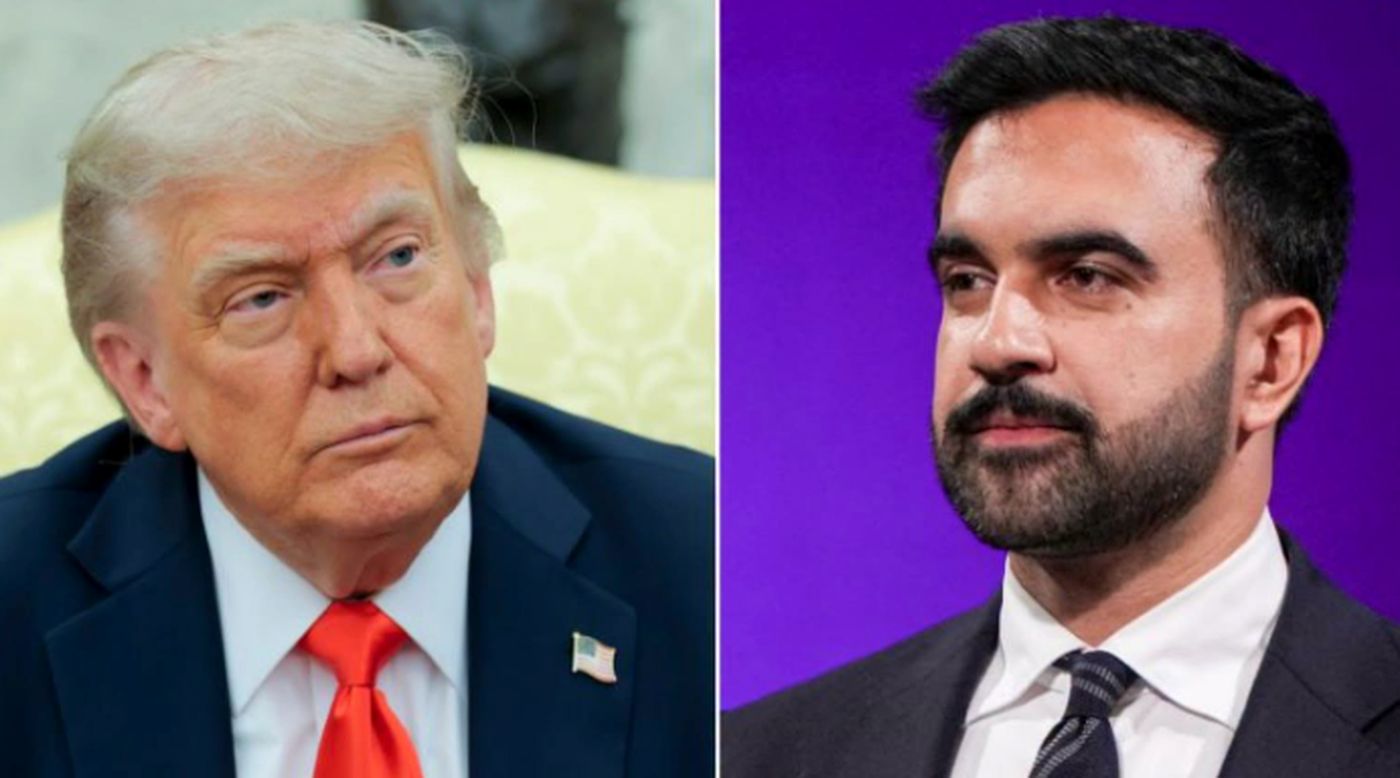
President Donald Trump has identified communism as the foremost internal threat facing the United States as the country prepares to mark its 250th anniversary in 2026. In recent remarks, Trump warned that Marxist-inspired ideologies have gained influence in educational institutions, cultural organizations, and political discourse, potentially undermining core American principles of individual liberty, free enterprise, and constitutional governance.
Trump’s comments reflect longstanding conservative concerns about the spread of socialist policies, critical theory frameworks in academia, and what proponents describe as efforts to reshape American society through identity-based politics and wealth redistribution. Supporters of this view argue that such ideas erode traditional family structures, economic opportunity, and national cohesion, drawing parallels to historical failures of communist regimes abroad.
The president’s focus aligns with the “America First” agenda, which prioritizes countering both foreign adversaries and domestic ideological challenges. Administration officials and conservative thinkers have pointed to curriculum debates in public schools, university programs emphasizing equity and inclusion, and progressive policy proposals as areas where Marxist influences may be manifesting. They advocate for renewed emphasis on civic education rooted in founding documents and free-market economics.
Critics of Trump’s characterization contend that labeling progressive policies as “communist” oversimplifies legitimate debates over inequality, social justice, and government roles in addressing modern challenges. They argue that democratic socialism and left-leaning ideas have roots in American reform traditions rather than foreign ideologies, and that broad accusations risk stifling intellectual diversity and political discourse.
The discussion comes at a pivotal moment as the nation approaches its semiquincentennial celebrations. Historians note that ideological battles have shaped American politics since the founding, with periodic concerns over radical influences from various quarters. Public opinion remains divided, with polls showing significant portions of Republicans viewing socialism negatively while Democrats are more supportive of expanded social programs.
As debates continue in Congress, schools, and public forums, Trump’s statements are expected to energize his base and frame upcoming policy battles over education standards, cultural issues, and economic priorities. The administration has signaled intentions to promote initiatives reinforcing American exceptionalism and countering what it sees as divisive ideologies.
This renewed focus on ideological threats underscores persistent questions about the direction of American society in the 21st century and how best to preserve the republic’s foundational values amid evolving cultural and political landscapes.
Trump Declares Communism Greatest Threat to America Ahead of Nation’s 250th Anniversary