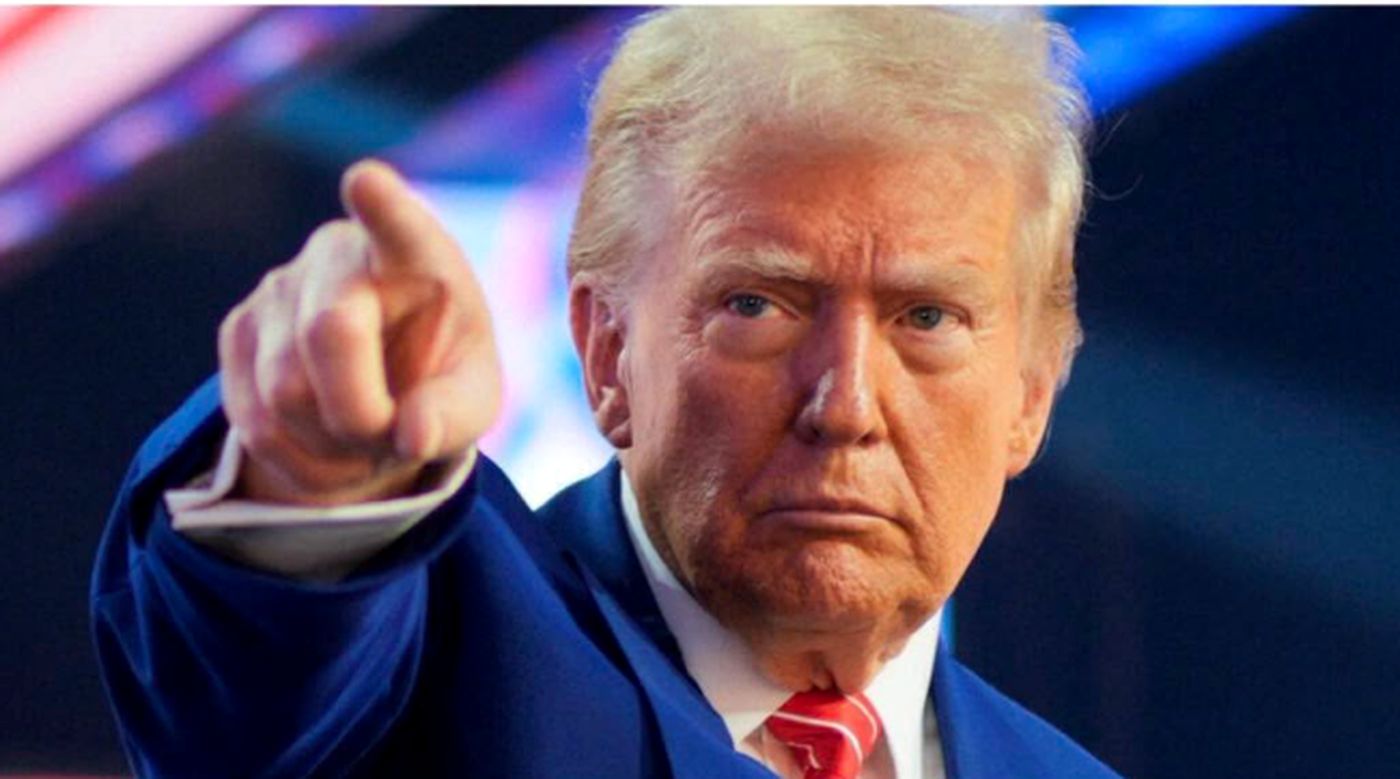
President Donald Trump has delivered a firm message to Iranian negotiators amid ongoing talks in Switzerland, warning that any attempt to close the strategically vital Strait of Hormuz would carry severe consequences for Iran. The statement underscores U.S. concerns over threats to global energy supplies and reinforces a policy of projecting strength in international diplomacy.
The Strait of Hormuz, through which approximately 20% of the world’s oil passes, remains a critical chokepoint in global energy markets. Recent tensions, including Iranian announcements regarding the waterway in response to regional developments involving Israel and Lebanon, have heightened risks to maritime traffic. Trump emphasized that provocations threatening U. S. interests and allies would not be tolerated, framing the approach as essential for maintaining stability and deterring conflict. Negotiations in Switzerland, led by Vice President JD Vance with mediation from Qatar and Pakistan, focus on a range of issues including Iran’s nuclear program, sanctions, and regional de-escalation. The talks aim to establish a 60-day framework for broader agreements. U. S. officials have expressed optimism about progress while maintaining a hard line on security matters like freedom of navigation in the strait. Supporters of the administration’s stance argue that clear and decisive communication helps prevent misunderstandings and protects American economic and security interests. Critics caution that aggressive rhetoric could complicate diplomatic efforts. Energy analysts note that sustained U. S. warnings help reassure markets and allies dependent on stable oil flows from the Persian Gulf. This development reflects broader U. S. foreign policy priorities under President Trump, emphasizing strength through deterrence rather than perceived weakness. As technical discussions continue, the situation in the Strait of Hormuz and surrounding regions will be closely monitored for any shifts that could impact global energy prices and international relations.